
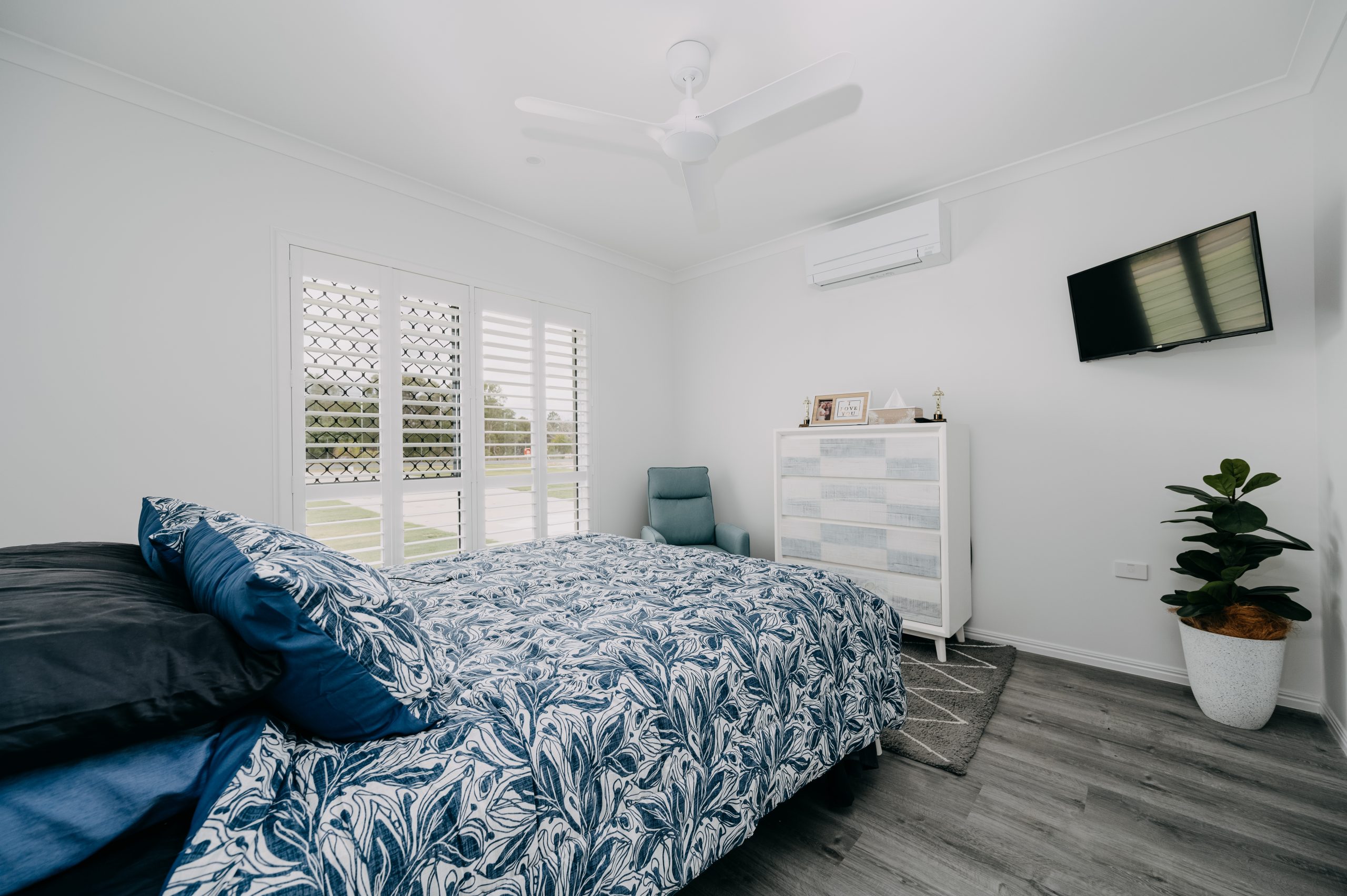
Shutters can significantly influence how a room looks, feels, and functions. While their appearance is often an important part of the selection process, choosing shutters based only on style can lead to disappointing results. Every room has different requirements for privacy, natural light, ventilation, moisture resistance, and daily use. A shutter that works beautifully in a bedroom may not necessarily be the most practical choice for a kitchen, bathroom, or large living area.
Understanding the purpose of the room and the characteristics of its windows makes it easier to choose a suitable shutter style. The right option should complement the interior while providing practical benefits that match how the space is used.
Light Control Can Determine the Best Choice
Natural light requirements vary considerably from one room to another. A living room may benefit from plenty of daylight, while a bedroom may require greater control over brightness, particularly in the early morning.
Shutters with adjustable louvres can provide flexible light management. Homeowners can change the angle of the louvres to reduce glare without completely blocking daylight. This flexibility can be particularly useful in living rooms, home offices, and dining areas where lighting requirements may change throughout the day.
Bedrooms may benefit from shutter designs that provide greater coverage and reduce unwanted exterior light. Considering the direction the windows face can also help determine the level of light control required.
Privacy Requirements Vary Between Rooms
Privacy is another major consideration when selecting among different types of shutters for a home. Bathrooms and bedrooms generally require more privacy than kitchens, dining rooms, or upstairs living spaces.
Certain shutter configurations allow the lower portion of a window to remain covered while the upper section is adjusted to let daylight enter. This arrangement can be useful for street-facing rooms because occupants can maintain privacy without making the interior feel unnecessarily dark.
For windows that are not directly visible from neighbouring properties or public areas, homeowners may prefer designs that prioritise openness and natural light.
Moisture Levels Influence Material Selection
Bathrooms, kitchens, and laundry rooms present different environmental conditions from bedrooms and living areas. Steam, humidity, cooking activity, and regular temperature changes can affect some window covering materials over time.
For moisture-prone rooms, shutters made from materials designed to withstand humid conditions may provide better long-term performance. Ease of cleaning is equally important in kitchens, where grease, dust, and cooking residue can accumulate.
Living rooms and bedrooms generally offer greater flexibility because they experience fewer moisture-related challenges. In these areas, homeowners can focus more heavily on appearance, texture, and coordination with existing furniture.
Window Size and Shape Matter
Not every home has standard rectangular windows. Bay windows, narrow windows, wide openings, and unusually shaped architectural features can require different approaches.
Large windows may need shutter configurations that divide the covering into manageable sections. This can make operation easier while creating a balanced appearance. Smaller windows may suit simpler designs that avoid making the opening appear crowded.
Shutters can also emphasise architectural details. When carefully selected, they can frame distinctive windows rather than hiding their shape or character.
Room Function Affects Everyday Practicality
The way people move through and use a room should influence shutter selection. A frequently used patio or garden door, for example, requires a solution that allows convenient access. A home office may need adjustable shutters that help control screen glare while preserving daylight.
Children’s rooms can benefit from straightforward designs that are easy to operate and maintain. Dining areas may place greater emphasis on appearance, particularly when the shutters form part of a coordinated interior design.
Considering everyday routines helps prevent situations where attractive shutters become inconvenient to use.
Interior Style Should Still Play a Role
Practical considerations are essential, but shutters are also visible design features. Their proportions, finish, material, and configuration should complement the character of the room.
Minimalist interiors may suit clean and understated shutter designs, while traditional rooms may accommodate more detailed styles. Neutral finishes can create continuity between rooms, whereas carefully selected contrasting finishes can make windows more prominent.
Finding the Right Balance
No single shutter style is ideal for every room. The best choice depends on a combination of natural light, privacy, humidity, window dimensions, accessibility, and interior design.
Instead of selecting one style for an entire property automatically, homeowners can consider the specific demands of individual spaces. Matching shutter features to the way each room functions can result in window coverings that look appropriate, operate conveniently, and continue to meet practical needs for years to come.