
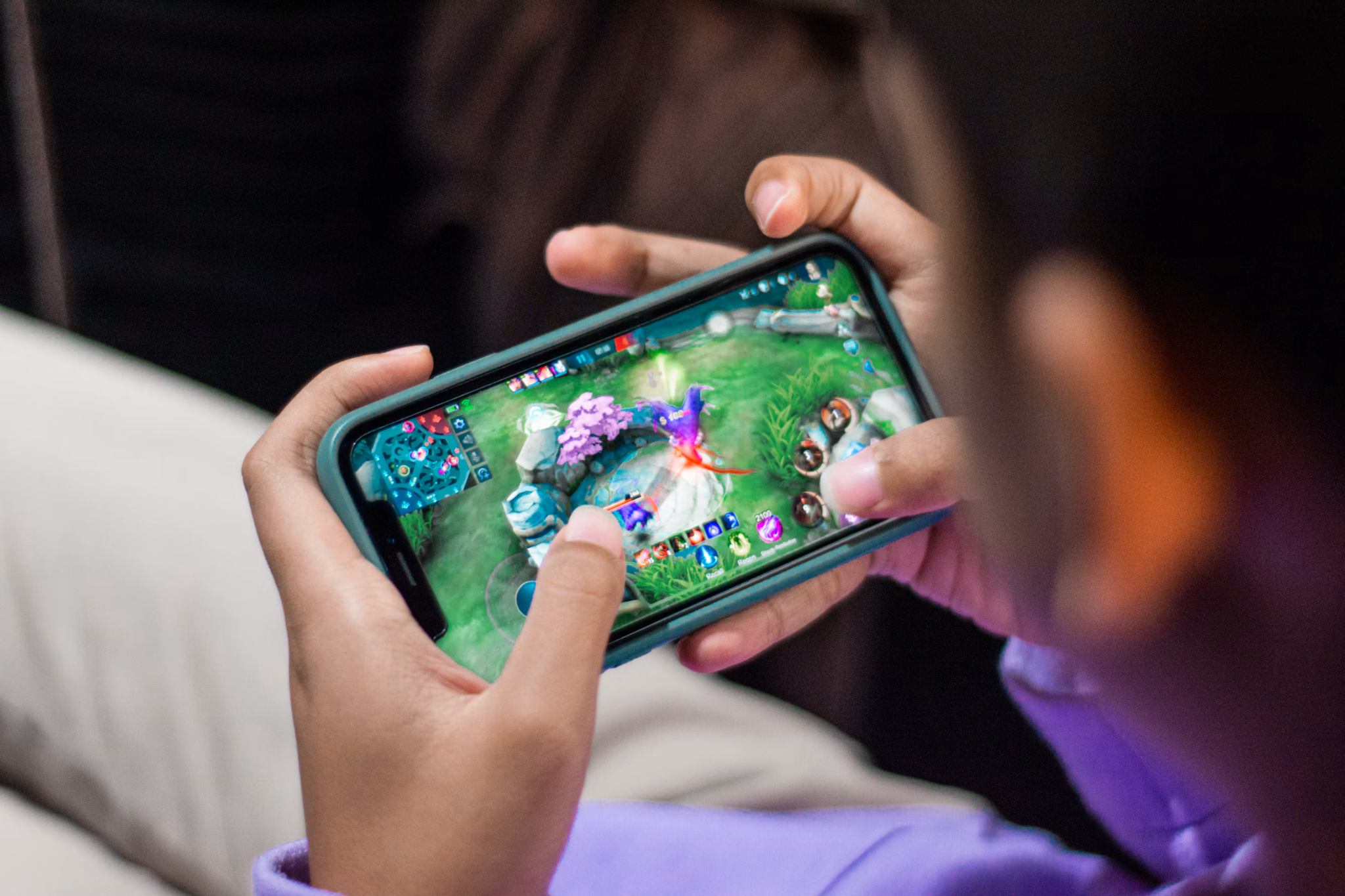
The headline figure sounds dramatic until you watch a commuter train at 8 a.m. Thumbs hover over screens in almost every row, and a surprising share of them are guiding puzzle pieces, racing cars or building small farms. Nobody on that train looks like a hardcore gamer, which is exactly the point. The phone has quietly become the most common gaming device on the planet.
That shift reaches well beyond games. Sports fans follow live scores between meetings, and a platform built for phones first, like sankra casino online shows how a site can keep sign-in, menus and a wide choice of titles easy to read on a small display. A tidy account area and clear page structure matter more on a phone than on a desktop, because there is simply less room to hide clutter. Developers across digital leisure now treat that clarity as a baseline, and players notice quickly when a service gets it right, because a confusing menu on a five inch screen costs patience within seconds.
Why the smartphone won the gaming race
Three practical forces pushed phones ahead of consoles and PCs. None of them is about raw power, which is where consoles still lead.
- Almost everyone already owns a phone, so the entry cost for a first game is close to zero.
- Sessions fit into gaps of two or three minutes, such as a queue or a bus ride.
- Free downloads and small updates remove the long installs that PC titles demand.
Ownership beats performance
A console costs several hundred dollars and sits in one room. A midrange phone is already in the pocket, charged and connected. In markets where a family shares one television, the phone is often the only personal screen, so it becomes the only gaming screen too. The device that already handles calls, messages and maps simply becomes the easiest doorway into play for many people. That alone explains much of the growth in regions across Southeast Asia, Africa and Latin America.
Short sessions changed game design
Designers adapted quickly. Levels were trimmed to ninety seconds, progress saves automatically, and a game can be abandoned midround without penalty. A player who once needed an evening now needs a lunch break. Casual formats such as matching puzzles and word games grew from this rhythm, and even large franchises now ship pocket versions built on the same logic.
|
Device |
Typical session |
Main strength |
|
Smartphone |
Minutes |
Always at hand |
|
Console |
One to three hours |
Graphics and living room play |
|
PC |
Hours |
Flexible controls and mods |
|
Handheld |
Under an hour |
Dedicated controls on the go |
Seen side by side, the devices do not really compete for the same moment, and the table makes that overlap easy to see at once. The phone wins the gaps in a day, while the console and PC still own the planned evening. Many players use both, which is why the share of phone gamers grows without the other platforms collapsing.
How players actually use their phones
Surveys from industry analysts usually count anyone who plays at least occasionally, and that definition matters. A person who opens a card game twice a week is counted beside someone who plays three hours daily. The big percentage therefore describes reach, not intensity.
Habits also differ by age. Younger players tend to mix social apps and games in one sitting, chatting with friends while a match runs. Older players lean towards puzzles, cards and trivia, often at a fixed time such as after breakfast. Both groups value apps that load fast and remember where they stopped. Picture a nurse finishing a night shift who plays one daily puzzle on the bus home. She wants the game open in two seconds, not a tutorial, and that tiny expectation shapes how studios build menus, saves and reminders.
What this means for developers and publishers
Money follows attention. Mobile now brings in a larger share of global game revenue than any other platform, mostly through free titles supported by inside purchases and advertising. That model rewards teams that understand retention, meaning whether a player comes back on day seven.
Smaller studios benefit too, since a solo developer can publish without approval from a manufacturer. Three things usually decide whether a game gets noticed in a crowded store:
- Strong art that reads in a thumbnail
- A clear first minute
- A sensible file size for older phones
Where mobile gaming goes next
Cloud streaming is the obvious next step. Instead of running a heavy title on the phone, a remote server does the work and sends video back, which could bring console grade games to modest handsets. Faster networks make that practical in more cities every year, where fibre and fifth generation coverage now reach busy neighbourhoods.
Battery life, screen size and touch controls remain the hard limits. Controllers that clip onto the phone and foldable displays are early answers. Whatever form arrives, the lesson of the past decade is steady. The device people carry everywhere will be the device they play on, and designers who respect that will keep finding audiences in places no console maker has ever reached.