
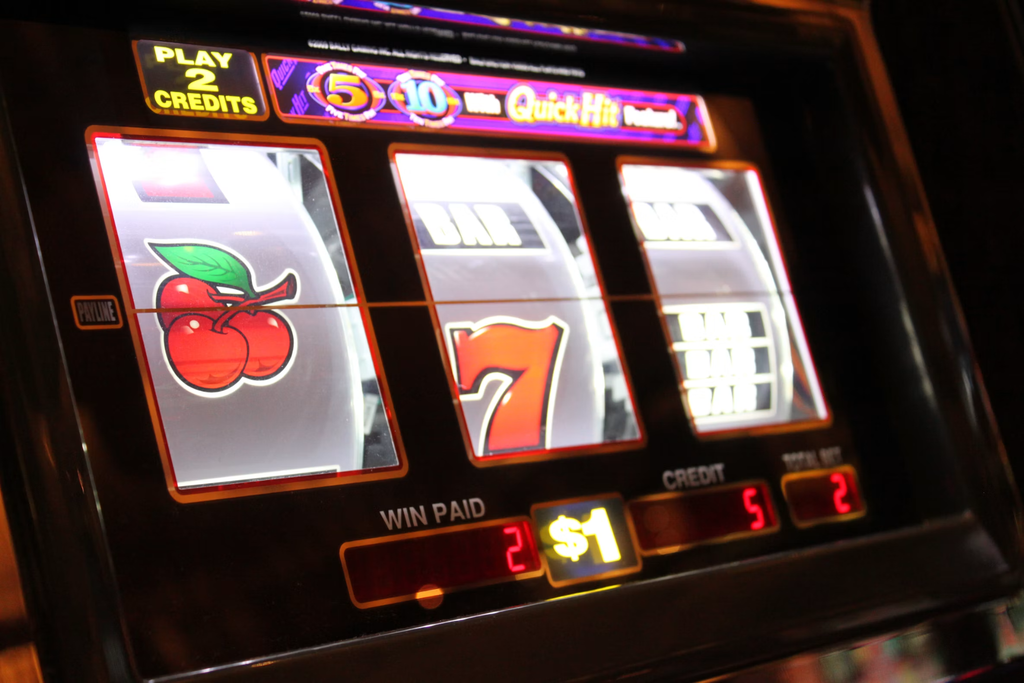
A banner promising “200 free spins” is built to grab attention in half a second, and it works. The number is large, round, and printed in a font three sizes bigger than everything else on the page. What it does not show is the actual cash value behind those spins, which in most cases is a fraction of what the headline implies once the stake per spin and the terms attached to it are factored in.
That gap between the promised figure and the usable value is not unique to gambling promotions. Loyalty apps, retail reward programs, airline mile schemes, and subscription trials all use the same trick with points, credits, or free months. A grocery chain offering “500 bonus points” sounds generous until the redemption chart shows that 500 points buys a single loaf of bread. Among the more transparent examples worth studying is the slim king, a program that states the per-spin stake and wagering conditions on the same screen as the headline number, rather than burying them three clicks deep in a terms page most people never open.
How the Math Gets Lost Behind the Big Number
Take a typical offer: 200 spins at a stake of 0.10 per spin equals a maximum exposure of 20.00, before any multiplier or restriction is applied. If the wagering requirement is 40 times the winnings, and the game contributes only 20% toward that requirement, a player who wins 15.00 from the spins effectively needs to wager 3,000 to unlock it. The 200 in the banner never described that chain of numbers, only the first link.
This is not an accident of bad design – it is the point of the design. A number like 200 triggers a quick mental comparison against a smaller, more honest offer of “10.00 free credit,” and 200 wins that comparison instantly, even though the two might carry near-identical real value once every condition is applied. Behavioral researchers have a name for this shortcut: anchoring on the first number seen, regardless of what it actually measures.
| Headline number | Real per-unit value | Typical hidden condition |
| 200 free spins | 0.05-0.10 per spin | Stake fixed by the operator, not the player |
| 50 bonus credits | 0.50-1 per credit | Valid on select games only |
| 3 free months | ~30% of list price | Auto-renews at full price after month 3 |
| 100% match bonus | Half the stated amount | 40x wagering before withdrawal |
Before treating any large number as the actual reward, a few checks separate a fair offer from a padded one:
- Confirm the fixed stake per spin or credit, not just the count.
- Check which games or products the reward actually applies to.
- Read the wagering or usage multiplier tied to any winnings or credits.
- Note the expiry window; many offers void unused value after 7–14 days.
- Compare the effective value per unit against the plain cash price of the same product.
Reading the Fine Print Like a Skeptic
Marketing teams are not lying when they print “200 spins” – the number is accurate. What it omits is context, and omission is a legal, well-worn technique across advertising generally, not something specific to one industry. A reader who treats the headline as the full story is doing exactly what the design encourages.
The fix is not cynicism toward every promotion; some offers genuinely hand over real value, and the transparent ones are usually happy to show the math up front rather than hide it. The fix is a habit: before reacting to a big number, find the smaller number it is built from.
What the Wagering Requirement Actually Multiplies
A 40x wagering requirement does not multiply the bonus itself – it multiplies whatever winnings come from the bonus. That distinction changes the real cost dramatically. Winning 15.00 from free spins under a 40x rule means wagering 600.00 before the amount becomes withdrawable, and if only a fraction of games count toward that total, the effective multiplier climbs even higher than the printed one.
Why Game Restrictions Change the Payout
Spins are frequently locked to a single game chosen by the operator, usually one with a return rate a few points below the platform average. That single design choice can shave more expected value off an offer than the wagering requirement does, yet it rarely appears in the same sentence as the headline number, which is exactly why it deserves a second look before the offer looks as generous as advertised.
None of this means the underlying offer is worthless. A 200-spin promotion with a fixed 0.10 stake, a 20x requirement, and full game coverage can still beat carrying no bonus at all, especially for someone who was going to play that stake regardless. The problem is never the offer itself – it is judging an offer by the biggest printed number instead of the smallest hidden one. Five minutes with the terms page usually tells the whole story the banner left out, and that habit carries over well beyond spins, into every reward program built the same way.