
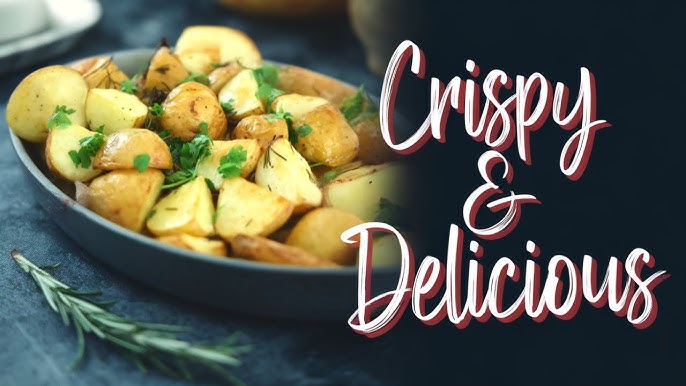
Potatoes are one of the most appreciated ingredients in kitchens throughout the globe. They are quite flexible, filling, and reasonably priced. Whether you want them crispy, creamy, or fluffy, understanding how to cook potatoes correctly may radically affect the flavor of your meals. Small approaches make a great impact, and if you master the fundamentals, you can convert this modest vegetable into something genuinely exceptional every single time.
Choosing The Right Potato Matters
Not all potatoes react the same when cooked. Starchy potatoes like russets are ideal for baking and mashing because they get soft and fluffy within. Waxy kinds, such as red or young potatoes, keep their form better, making them perfect for boiling, salads, or pan frying. Yukon Gold potatoes rest securely in the center, producing a creamy texture that works well for nearly any cooking technique.
Picking the proper variety is the first step toward understanding how to cook potatoes with consistent results. Using the incorrect kind typically results in sloppy fries, gluey mash, or potatoes that break apart when you need them solid.
Prep Work That Makes A Big Difference
Great potatoes start before they ever touch the fire. To get rid of filth, always give them a thorough wash. Peeling is optional and contingent upon the recipe; however, the skin’s presence contributes to texture and nutrition. Cutting potatoes into uniform portions ensures they cook at the same pace, avoiding some parts from being underdone while others become mushy.
If you are roasting or frying, soaking sliced potatoes in cold water for 20 to 30 minutes helps eliminate extra starch. For crispiness, this step is revolutionary. Dry them carefully before cooking because moisture causes steam, which softens the exterior instead of browning them.
Boiling Potatoes The Right Way
Boiling seems easy, but technique counts. Place potatoes in a saucepan of cold salted water, not boiling water. They may cook uniformly from the inside out if they are started cold. Bring the water to a slow boil and simmer until a fork glides in easily. Potatoes that are overboiled get soggy and may spoil recipes for salads or mashed potatoes.
After draining, let them sit exposed for a minute. The remaining steam dissipates, leaving the surface drier and ready to absorb butter, spice, or dressing nicely.
Perfectly Crispy Roasting
Roasting is when potatoes really shine. Toss pieces with oil, salt, and your chosen spices, then spread them out on a baking dish. Give them room since packing the pan too full traps steam and hinders browning. A hot oven, approximately 425°F or 220°C, helps generate that golden top while keeping the interior soft.
Flip them halfway through cooking to achieve equal color. When done perfectly, roasted potatoes have a crunchy exterior layer that gives way to a fluffy middle, the texture most people prefer.
How To Make Creamy Mashed Potatoes
For mash, simmer potatoes until soft but not falling apart. Drain carefully and return them to the heating pot momentarily to eliminate extra moisture. Add melted butter and warm milk gradually while the mash is still hot. Cold liquids may make the texture rigid. Steer clear of overmixing, which releases too much starch and makes the mash gluey rather than smooth.
The timing of seasoning is very important. Salt the cooking water and adjust seasoning at the end for maximum taste.
Pan Frying For Quick Flavor
Pan-fried potatoes are wonderful when you want something quick and tasty. Parboil them first to soften the inside, then fry in a heated pan with oil or butter. Let them sit without stirring too much. Browning is stopped by frequent flips. Once a crust develops, flip them to crisp the other sides.
Near the end, add onions, garlic, or herbs to protect the taste from burning.
They Shine Because Of The Seasoning
Potatoes adore seasoning. Beyond salt and pepper, try paprika, rosemary, thyme, garlic powder, or chili flakes. A squeeze of lemon or a sprinkling of Parmesan at the end may elevate the taste even further. Because potatoes are mild, they work as a blank canvas for powerful flavors.
Conclusion
Learning how to cook potatoes is less about elaborate recipes and more about mastering technique. An ordinary foodstuff may be transformed into golden, delectable perfection with the appropriate potato, careful preparation, the right amount of heat, and careful seasoning. Once you learn these basic techniques, you will never look at potatoes as merely a side dish again. They become the star of the dish, dependable, comfortable, and always gratifying.